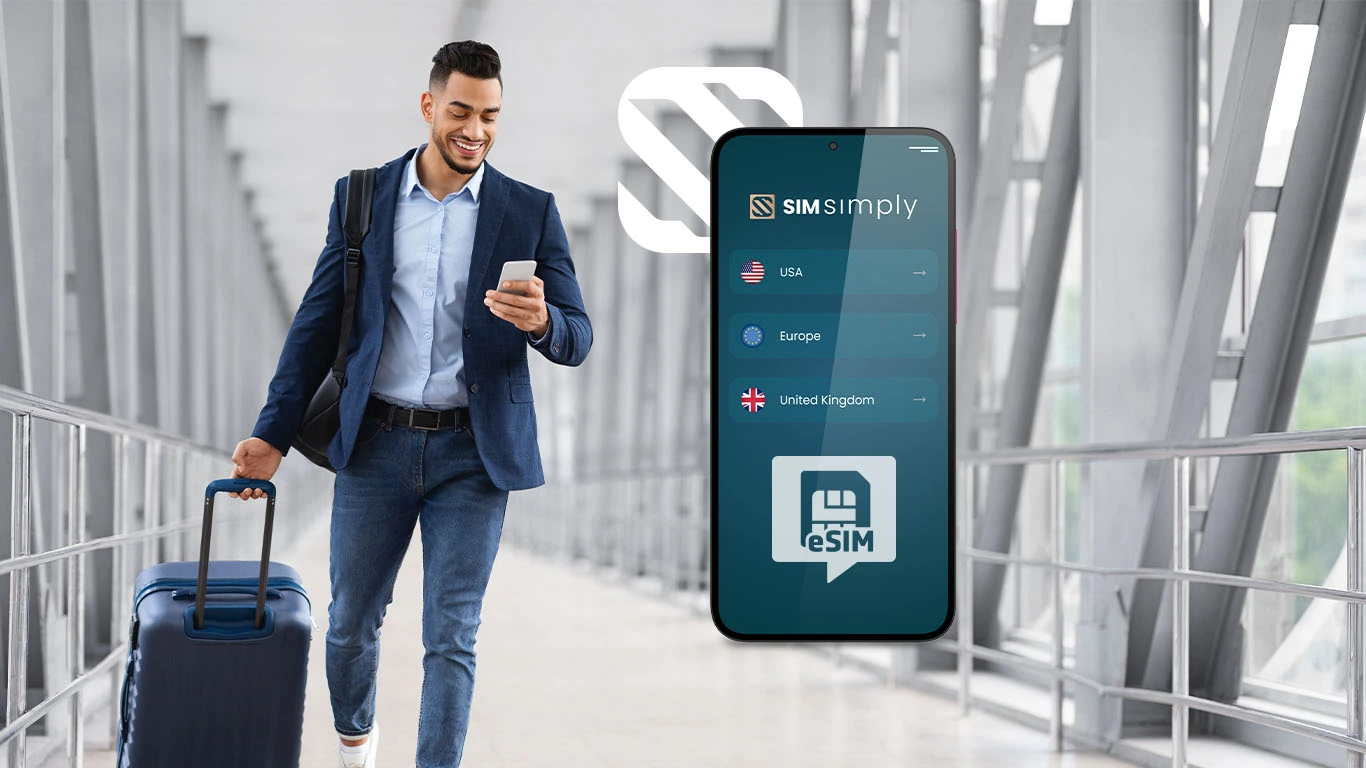
Imagine landing in a new country and instantly connecting to a mobile network without the hassle of searching for a mobile store or swapping out your SIM card. Before eSIM technology, travelers had to purchase local SIM cards upon arrival, often waiting in long lines at airport kiosks or hunting for mobile shops in unfamiliar cities. Not only was this inconvenient, but it also meant dealing with compatibility issues, hidden fees, and the risk of losing tiny SIM cards. That’s the magic of an eSIM! In this guide, we’ll explore what an eSIM is, how it works, and why it’s a game-changer for travelers.
What is an eSIM?
eSIM stands for Embedded Subscriber Identity Module. Unlike traditional SIM cards, which are physical chips inserted into a phone, an eSIM is built into your device. It functions the same way as a regular SIM but is digitally activated and managed.
How Does an eSIM Work?
- Activation: Instead of inserting a SIM card, you scan a QR code or download a profile from an eSIM provider.
- Network Connection: Your phone connects to a local carrier, just like with a traditional SIM.
- Multiple Profiles: You can store multiple eSIM profiles, making it easy to switch between networks.
- Instant Setup: No waiting for SIM cards to arrive or searching for kiosks at the airport.
Why Should Travelers Use an eSIM?
✔ No More SIM Swapping – Switch between multiple networks with ease.
✔ Avoid Roaming Fees – Use local networks at affordable rates.
✔ Instant Connectivity – Activate your plan before you travel.
✔ Eco-Friendly – Reduces plastic waste from traditional SIM cards.
✔ Secure – No risk of losing or damaging your SIM card.
How to Get an eSIM for Travel
- Check Device Compatibility – Most modern smartphones, including iPhones (XR and later) and many Android devices, support eSIM.
- Choose an eSIM Provider – Buy eSIM
- Purchase a Plan – Select a data plan based on your travel needs.
- Install the eSIM – Scan the QR code provided by your eSIM provider.
- Activate and Connect – Follow on-screen instructions to start using mobile data.
Which Devices Support eSIM?
Most flagship devices from Apple, Samsung, and Google support eSIM technology, including:
- iPhone XR, XS, 11, 12, 13, 14, and later
- Samsung Galaxy S20, S21, S22, Note 20, and later
- Google Pixel 4, 5, 6, 7, and later
- Some Huawei and Motorola models
eSIMs are revolutionizing the way we stay connected while traveling. They offer convenience, affordability, and security, making them an essential tool for modern travelers. If you’re planning your next trip, consider switching to an eSIM for a seamless connectivity experience.
Ready to travel smarter? Get your eSIM today with SIMsimply!


